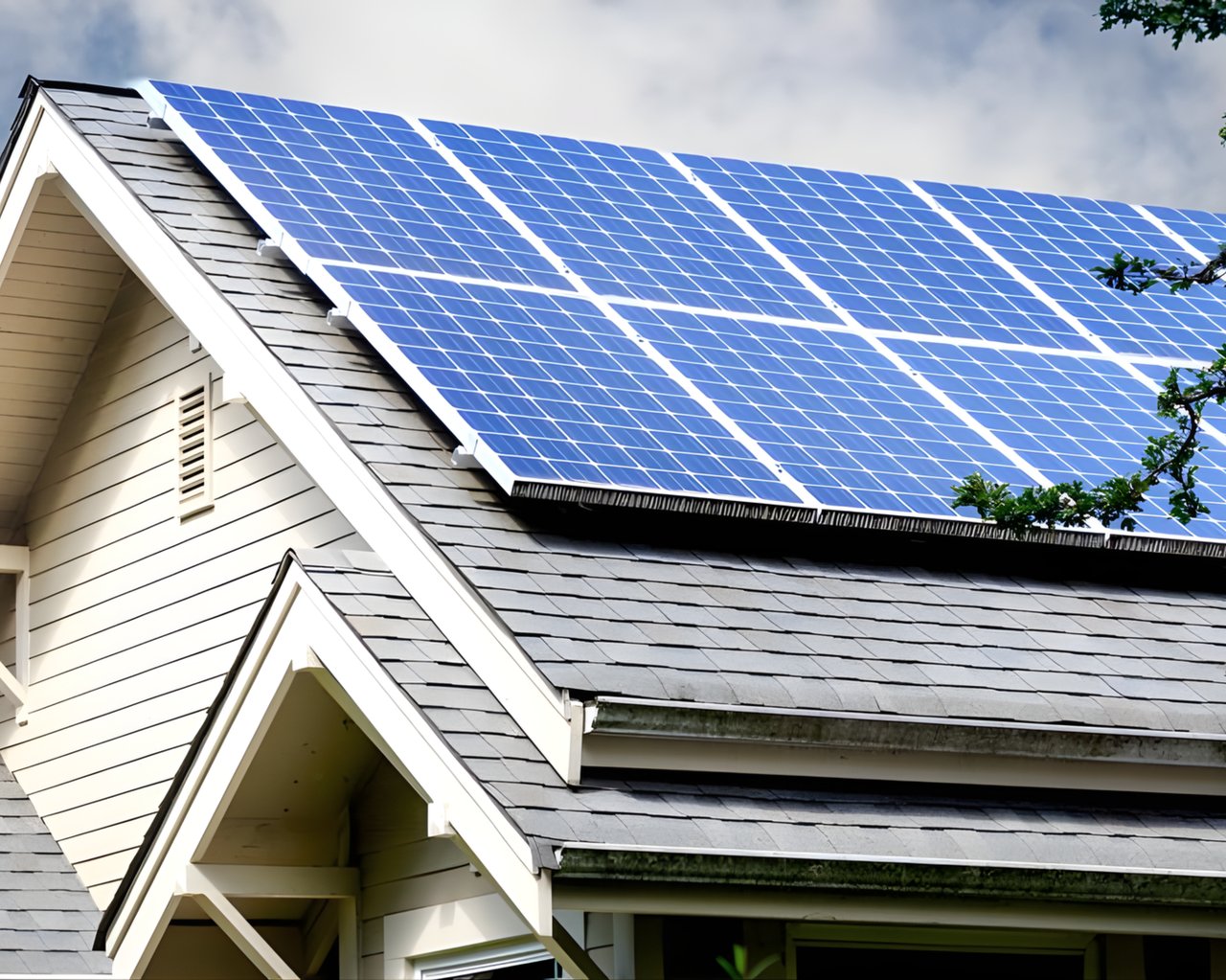
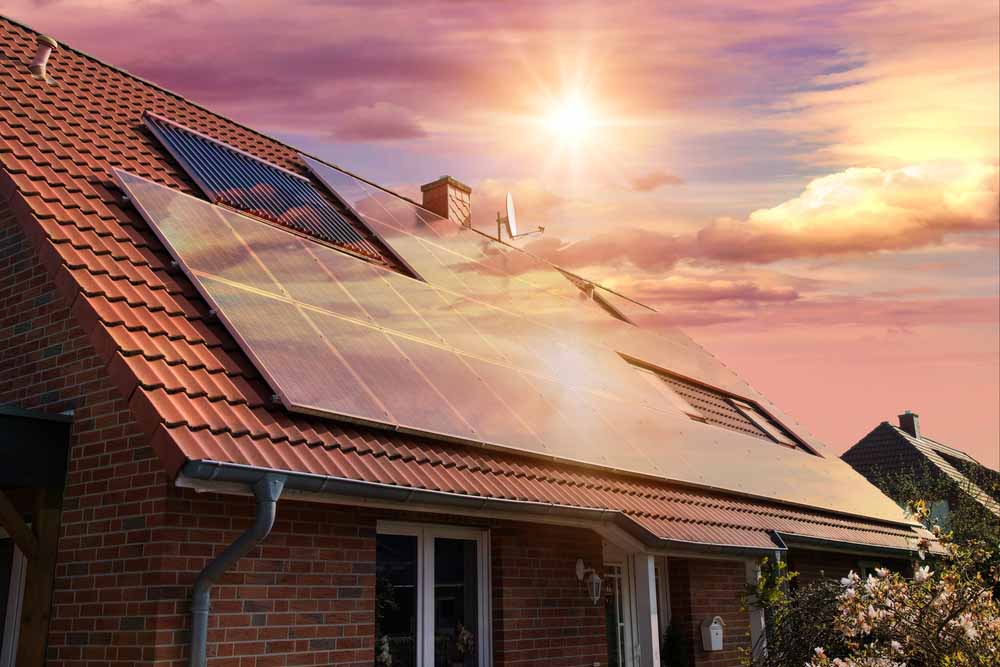
If you’ve been thinking about adding solar panels to your home, you’re not alone. Solar energy is one of the most effective ways to lower electricity bills, increase property value, and reduce your carbon footprint. Before you make the switch, here are the key steps to help you decide if solar is right for you.
Evaluate Your Home’s Solar Potential
Start by checking if your home gets enough sunlight for solar panels to be effective.
Check Sun Exposure: Make sure your roof gets plenty of sunlight during the day without much shade from nearby trees or buildings.
Roof Condition: Have your roof inspected to ensure it’s in good shape and can handle the weight of solar panels.
Roof Orientation: South-facing roofs are ideal for solar panels, though east- and west-facing roofs can still work well.
Research and Choose a Solar Panel System
Your solar setup should match your energy needs and budget.
Energy Needs: Look at your past utility bills to see how much energy you use on average.
Types of Panels: You can choose from monocrystalline, polycrystalline, or thin-film panels—each has different levels of efficiency and cost.
System Size: Figure out how many panels you’ll need based on your energy use and available roof space.
Find a Qualified Solar Installer
Partner with a reputable solar installation company to make sure your panels are installed properly and safely. Experienced installers can also help you navigate design, permits, and inspections.
Explore Financing Options and Get Permits
Solar systems are an investment, but there are various ways to make them affordable. Look into financing programs, tax credits, and incentives available in your area. Your installer can also help ensure you have the right permits in place before installation.
Installation and System Activation
Once everything’s approved, you’re ready for installation.
Schedule Installation: Coordinate with your installer to set the date.
Preparation: Clear any obstacles around your home that might slow down the process.
Installation: The team will mount the panels, connect the inverter, and complete the wiring—this usually takes one to three days.
Inspection and Activation: After setup, your system will be inspected and connected to the grid. Once approved, your installer will turn it on and confirm everything’s working properly.
Going solar is a big decision, but with the right planning and guidance, it’s one that can pay off for years to come. You’ll save on energy costs, boost your home’s value, and contribute to a cleaner environment—all while taking advantage of one of nature’s most powerful resources.
Compass is a real estate broker licensed by the State of California operating under multiple entities. License Numbers 01991628, 01527235, 01527365. All material is intended for informational purposes only and is compiled from sources deemed reliable but is subject to errors, omissions, changes in price, condition, sale, or withdrawal without notice. No statement is made as to the accuracy of any description or measurements (including square footage). This is not intended to solicit property already listed. No financial or legal advice provided. Equal Housing Opportunity. Photos may be virtually staged or digitally enhanced and may not reflect actual property conditions.
Etiam non quam lacus suspendisse faucibus interdum. Orci ac auctor augue mauris augue neque. Bibendum at varius vel pharetra. Viverra orci sagittis eu volutpat. Platea dictumst vestibulum rhoncus est pellentesque elit ullamcorper.